Jorge Ramos Officially Launches New Spanish-Language Digital Show ‘Así Veo Las Cosas’ for Latino Audiences
Jorge Ramos Officially Launches New Spanish-Language Digital Show ‘Así Veo Las Cosas’ for Latino Audiences
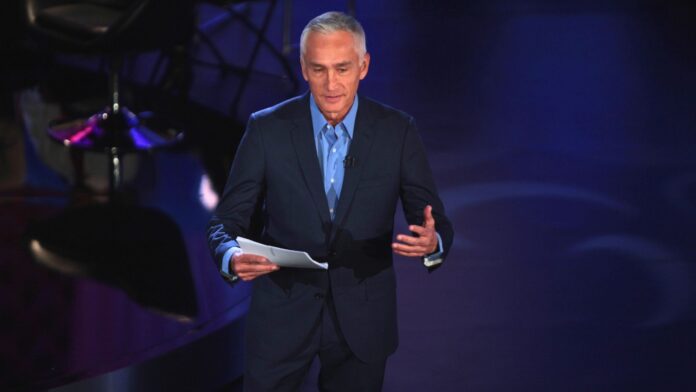
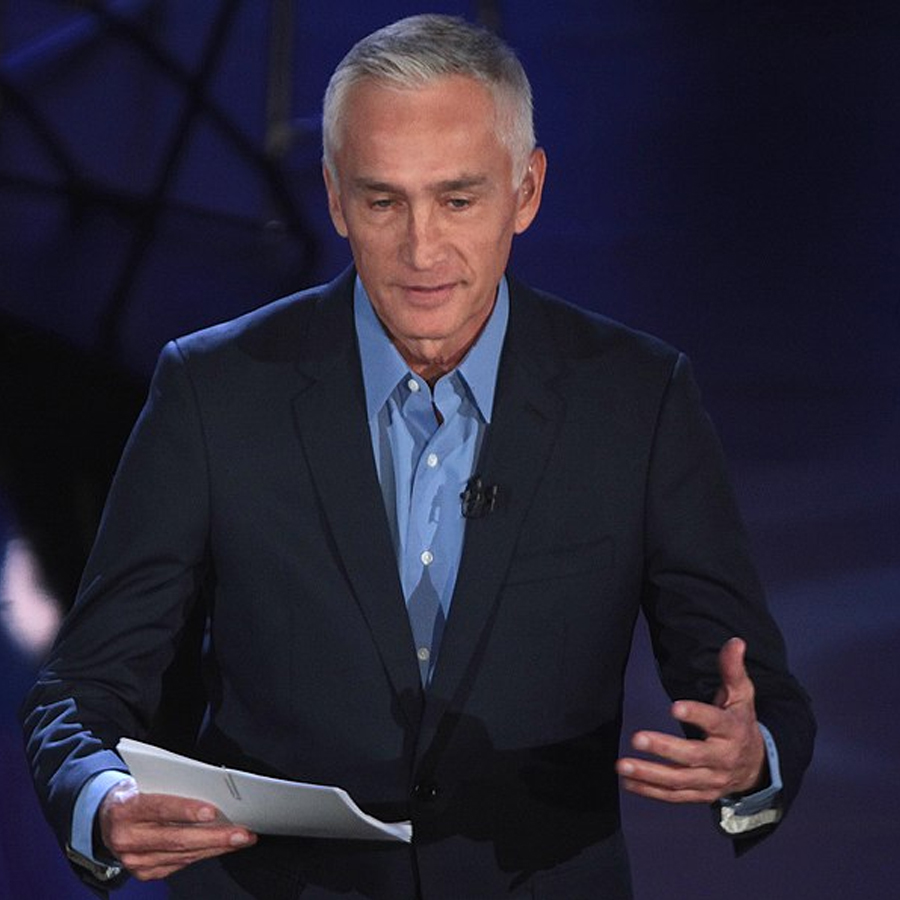
Credit: Gage Skidmore from Peoria, AZ, United States of America – Jorge Ramos
A familiar voice returns, not through the polished glow of a newsroom set but from a more immediate lens, one closer to the street, to the cell phone, to the shifting pulse of Latino audiences who followed him through four decades of broadcast news. Jorge Ramos, long known as the face of Univision’s nightly news, is entering a new era. His departure in December 2024 marked the end of an institution. His comeback in June 2025 signals something else entirely.
Say ‘Hello’ to the Digital Rebirth of Jorge Ramos
Jorge Ramos has launched Así veo las cosas, a digital news program that removes the traditional filter between journalist and viewer. The title alone nods to perspective. This is how he sees things. And now, so will the millions who once watched him at 6:30 P.M. sharp, only now through a direct stream to their phones.
In his video announcement, Ramos stood on the streets of Los Angeles, reporting on the protests against immigration raids.
His new platform pledges an unfiltered look at Latin America, immigration, power, and culture, delivered with the same authority he built over four decades but now with the freedom of independent journalism. There will be interviews, deep dives, coverage from the streets and from the studio, he explained, describing a format that blends depth with mobility.
The coverage promises range from figures in politics to entertainment and sports. He stated that they want to be where the most important stories are for Latinos. The platform gives him the freedom to do that on his terms.
From Anchor Desk to the Streets
Ramos appeared in the streets of Los Angeles during recent demonstrations, microphone in hand, walking alongside the crowd, observing the faces of those protesting federal immigration raids.
This reporting style, live and immersive, signals the tone of Así veo las cosas. The streets act as his newsroom. Ramos plans to return to them when necessary, offering a blend of in-studio analysis and on-the-ground reporting that his audience rarely saw during his time at Univision.
The format is built for a new kind of attention. It is fast and immediate but grounded in the experience of someone who has interviewed presidents, reported from war zones, and brought the struggles of immigrants into American living rooms.
A Voice for the Latino Community in Uncertain Times
At a time when immigration enforcement intensifies and tensions escalate abroad, Ramos positions his new platform as a space for clarity. In a recent report, he confirmed that the United States had launched attacks on Iranian facilities and warned of potential repercussions. The concern now, he explained, is that a dangerous retaliation could follow.
That kind of plain talk has defined his career. It is also what sets Así veo las cosas apart. There are no production gimmicks and no elaborate set pieces. There is Ramos, speaking into a camera, breaking down events that feel increasingly chaotic.
His return arrives at a time when many in the Latino community are demanding coverage that sees them, speaks to them, and brings context to headlines that often pass over their concerns. Ramos has spent his life reporting on those concerns. Now, untethered from a network, he is free to pursue them fully.
The show premiers officially on Monday, June 23rd at 4:00 P.M. ET through his digital channel and continues with a cadence that mirrors his audience’s rhythms. Whether from a studio or the streets, Ramos has made one thing clear. He has not gone silent. He has gone direct.